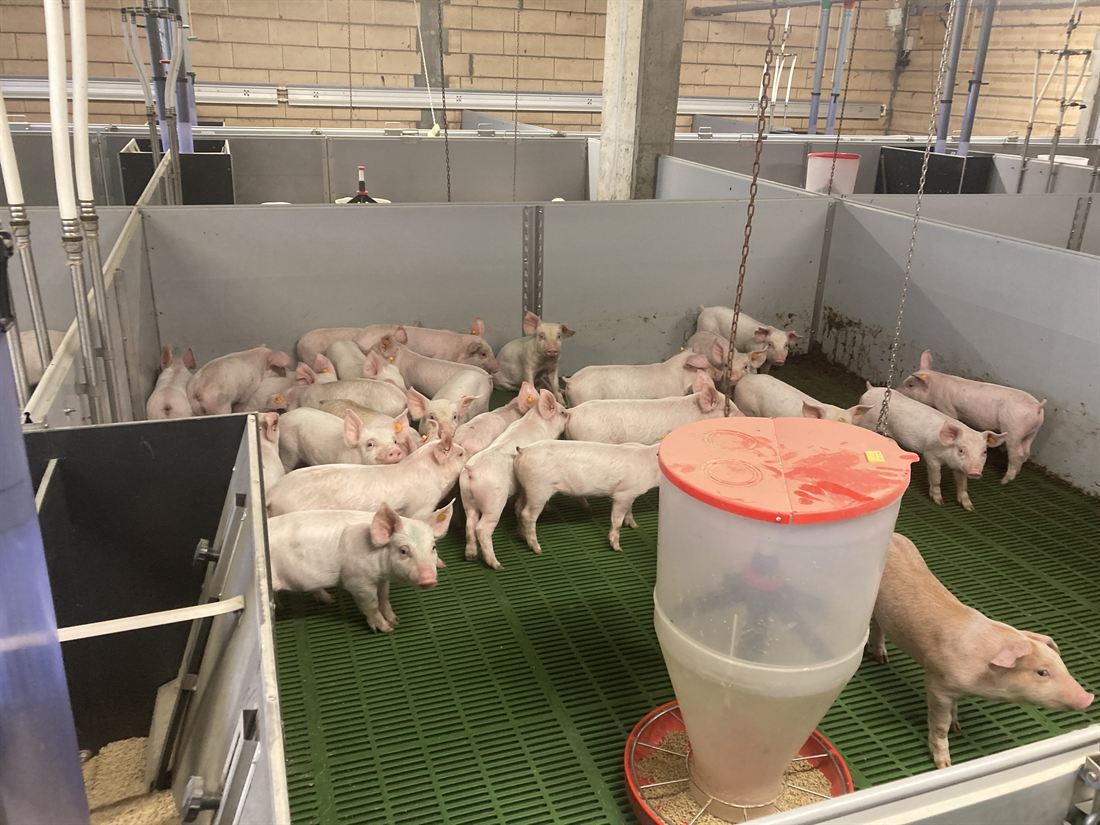
Production of high-quality pork with above-standard sensory properties.
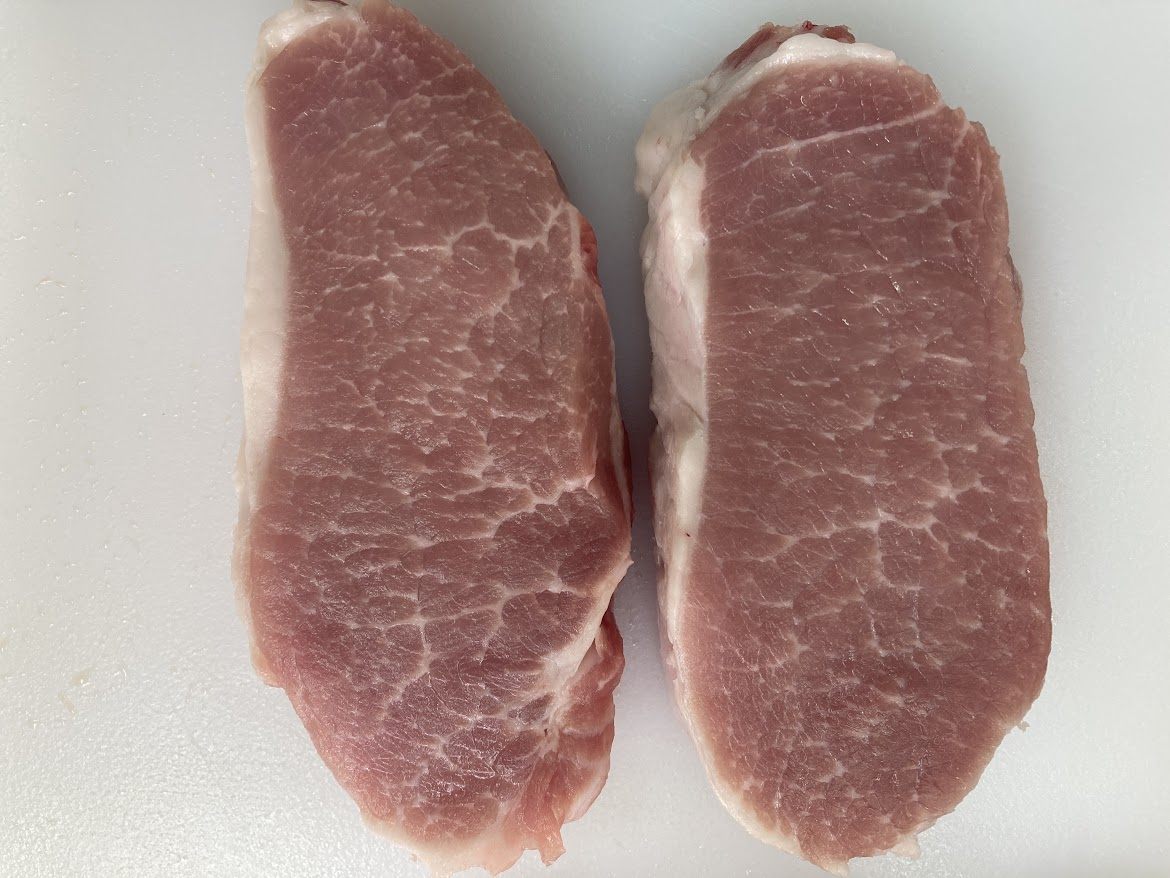
We produce high-quality pork with above-standard sensory properties (IMF — intramuscular fat), 2.5 times higher levels of Omega-3, and 2 times higher levels of selenium, thanks to the use of quercetin sourced from waste onion as a natural antioxidant.
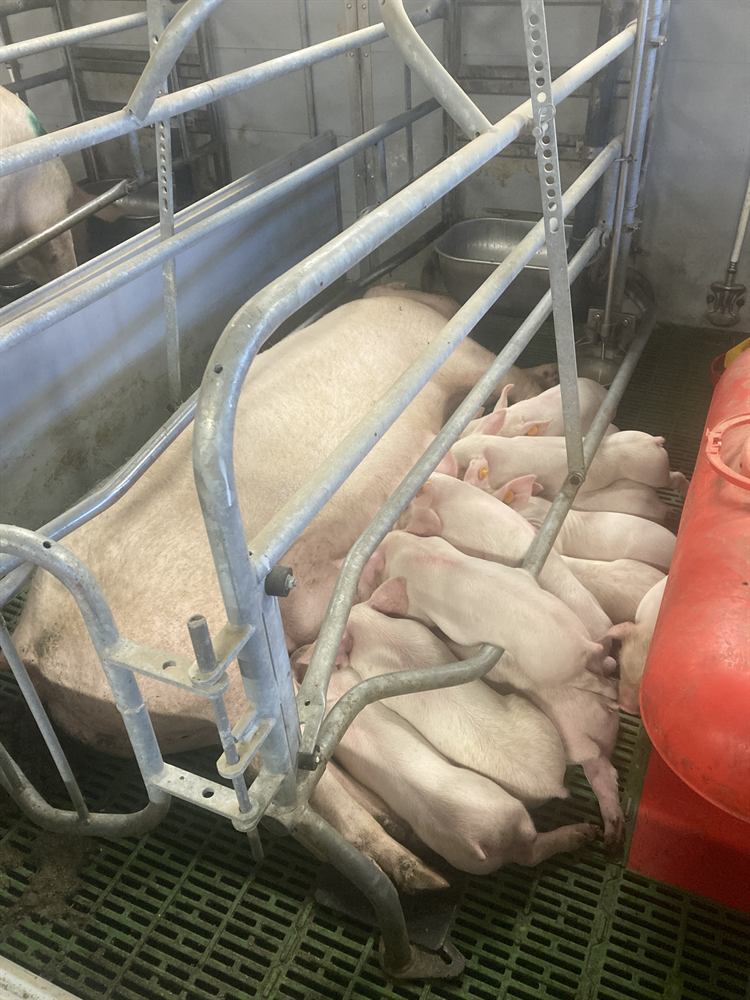
The main objective of the project is to develop innovative technology for producing high-quality meat from pigs fed with feed enriched with Omega-3 fatty acids and quercetin from waste onion.
The result is pork with high functional and sensory quality, including an increased proportion of intramuscular fat and Omega-3 fatty acids, as well as more desirable tenderness and juiciness than products currently available on the market. The use of fruit pomace, onion skins, and waste onion preparations increases the effectiveness of binding quercetin in the muscles and provides high oxidative stability of the essential fatty acids and thiamine contained in the raw material.
Pigs are highly sensitive to stress, and its effects translate directly into the quality of the final product. Sustained heat stress negatively affects muscle metabolism — it can worsen meat quality traits such as pH, water-holding capacity and color, and reduce intramuscular fat content. These deviations mean real economic losses for the producer and lower consumer acceptance. Elevated pH also favors the growth of microorganisms, which can accelerate meat spoilage.
Stress — whether environmental, transport-related, or occurring around slaughter — is the most common direct cause of PSE meat defect (pale, soft, exudative), sometimes described as a form of "stress myopathy." That's why minimizing heat stress at every stage of production — from precise microclimate control in the barn, through feeding, to transport — isn't just a matter of animal welfare for us; it directly translates into the high, consistent quality of our pork.