Good feed, good water, air (oxygen), and proper zoohygienic parameters — including temperature.
Pigs belong to the group of warm-blooded (homeothermic) animals — the body maintains a constant temperature despite changing environmental conditions. The body temperature of an adult animal is around 38.6°C, and for sows it is 38.3°C.
Pigs have very few sweat glands, so they release heat mainly through the respiratory system (panting), as well as through contact with the ground and air, and infrared radiation. Pigs are highly sensitive to heat stress — apart from epidemic diseases such as ASF or FMD, it is heat stress that causes the highest mortality in modern sow genotypes, especially in the last trimester of pregnancy.
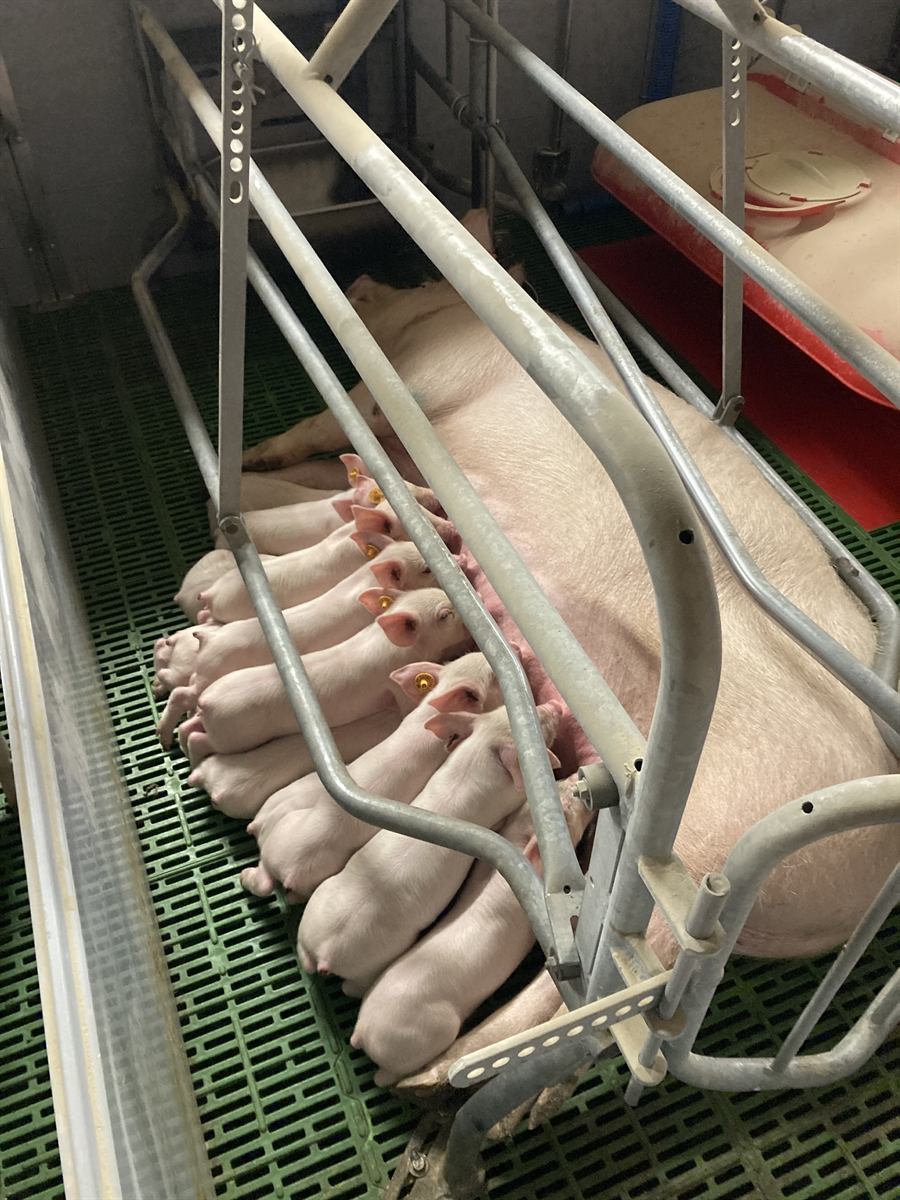
The relationship between temperature and air humidity and the occurrence of heat stress, as well as animals' temperature tolerance.
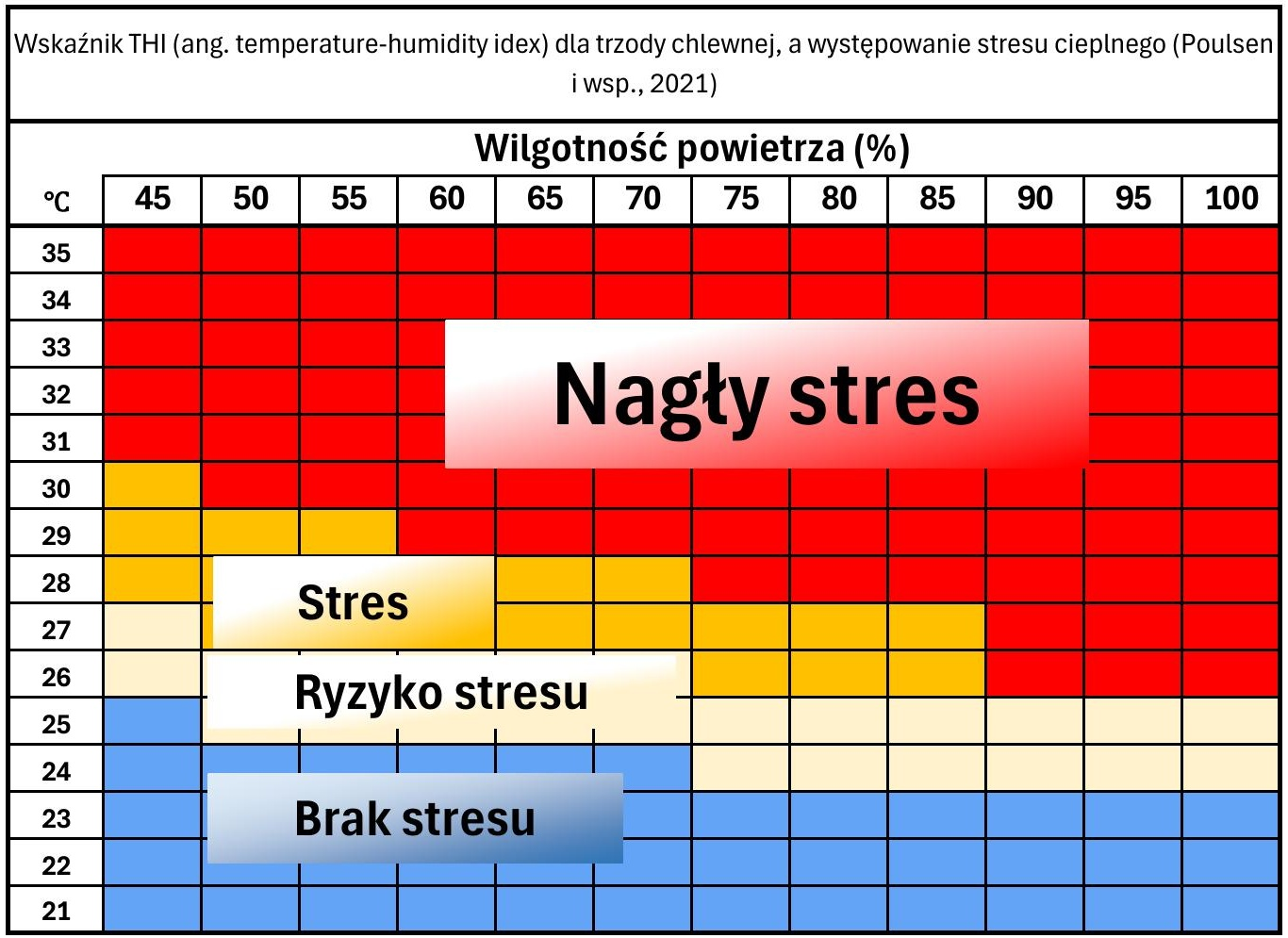
| Zone | Physiological description |
|---|---|
| Thermoneutral zone | Low metabolic effort needed to maintain a constant internal temperature; only the animal's external temperature changes. |
| Cold stress | Occurs once the lower critical environmental temperature is exceeded. |
| Heat stress | Occurs once the upper critical temperature is exceeded — reduced feed intake, lower activity, reduced productivity, increased blood flow through the skin, and an increased respiratory rate. |
Source: Poulsen et al., 2021; Godyń and Nowicki, 2018; Pearce et al., 2013.
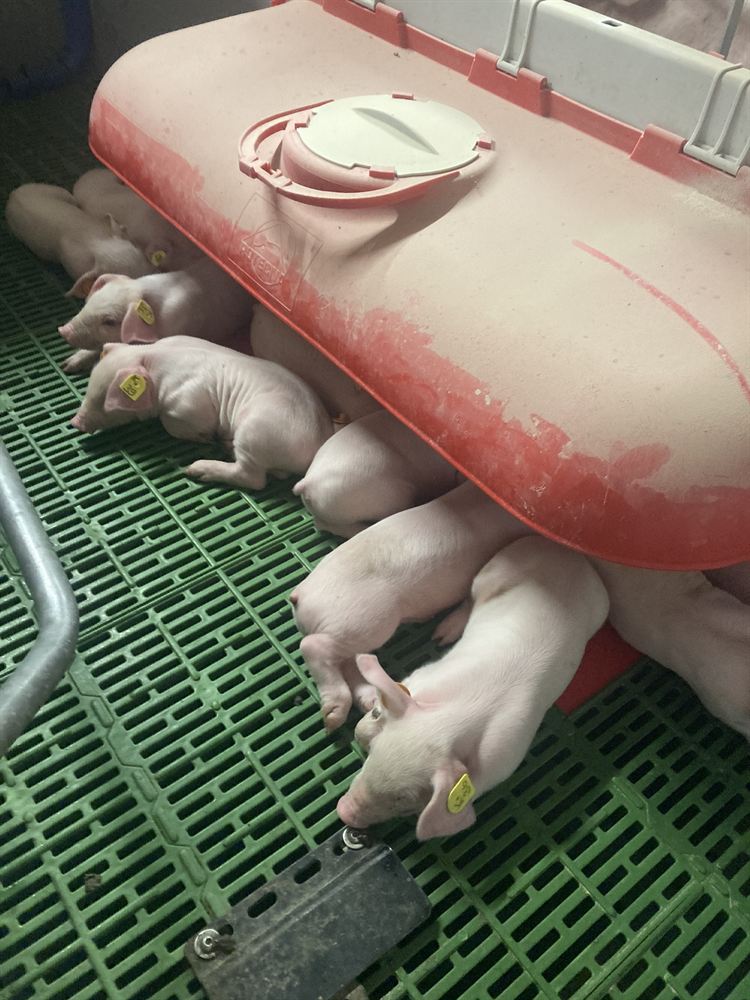
We use waste heat from our biogas plant (renewable energy). Despite the temperature difference resulting from the physiological needs of the mother and her offspring, we ensure thermal comfort by creating an independent space for piglets — thanks to a controlled, automatic "temperature curve" for floor heating and reflective creep areas, as well as cooling/air-conditioning for the sows' stalls.
During hot periods of the year, the temperature inside our farrowing houses has never exceeded 29°C.
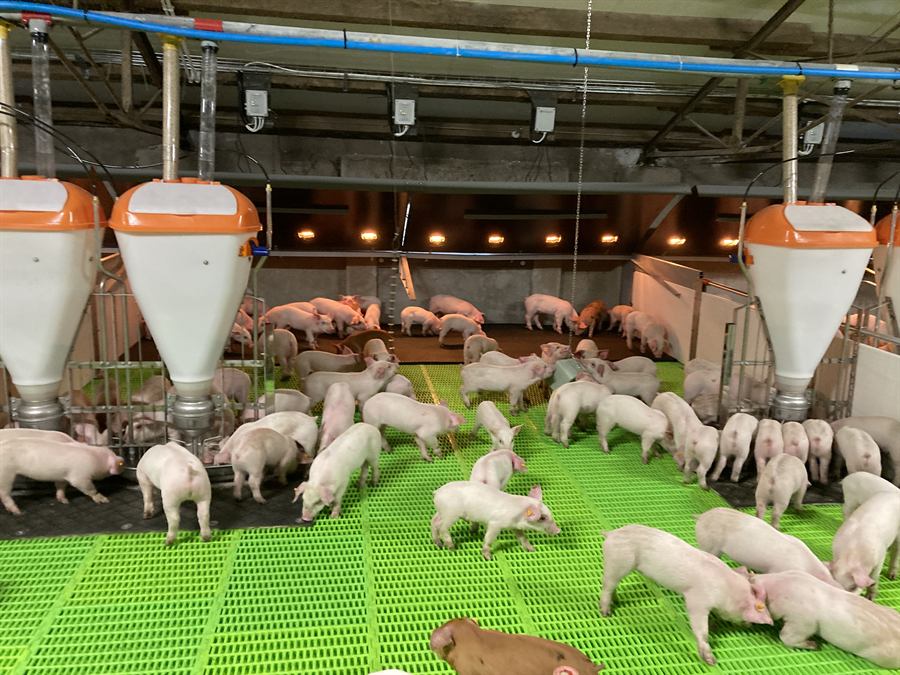
Every sow has her own feeding curve, tailored to her needs and physiological state. The wet feed dose is precisely calculated. Weaners are fed dry feed and can choose between two different feed mixes.
We select GGP-generation dams only after positive selection for feed conversion ratio (FCR). In rearing, we use the highest-quality complete feed mixes, produced using the latest solutions in processing protein, fiber, and starch raw materials — reducing odor absorption. Our feed has long been free of zinc oxide, which shortens the fattening period.
Feeding is strictly controlled at every stage — we monitor birth weight, weaning weight, and sale weight. At around 70 days old, a weaner's body weight is around 28 kg.
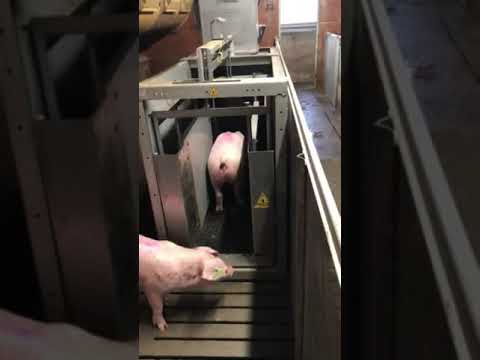
We use the highest-quality complete feed mixes in rearing. The latest solutions in processing protein, fiber, and starch raw materials are used to produce them, reducing odor absorption and making them more appealing to piglets. Our feed has long been free of zinc oxide. The absence of therapeutic doses of zinc oxide during rearing, confirmed by numerous studies, shortens the fattening period.
Raw materials undergo hygro-baro-thermal processing, ensuring optimal efficiency (FCR) and digestibility. We also use a range of biologically active additives that significantly limit the therapeutic use of anti- and chemo-biotics. Feeding is strictly controlled at every stage — we monitor birth weight, weaning weight, and sale weight. At around 70 days old, body weight is around 28 kg.
Contact our sales department to discuss the details of a partnership.
Go to contact